
How to Get Your Breast Pump Covered by Medicaid (Step-by-Step Guide)
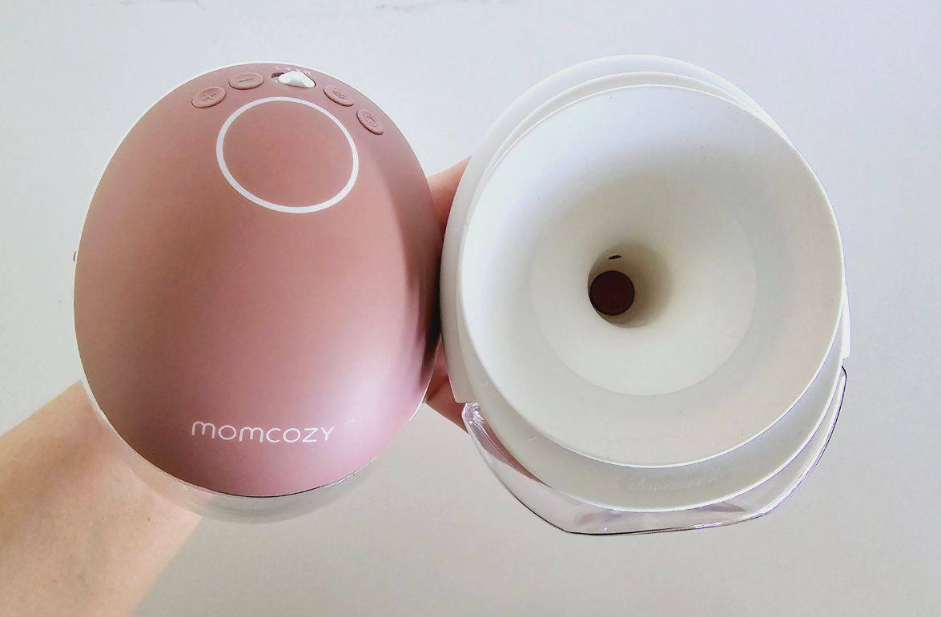
Many expectant and new parents are surprised to learn that a breast pump through Medicaid is often fully covered at no cost. Thanks to federal healthcare protections, Medicaid programs in most states provide breastfeeding support, including access to electric pumps, such as Momcozy breastfeeding pumps, that help parents establish and maintain milk supply. Understanding how the process works—and when to start—can save time, reduce stress, and ensure you’re prepared before your baby arrives.
If you’re researching reliable electric breast pumps, it’s helpful to first confirm your Medicaid eligibility and coverage details so you can choose a pump that fits both your medical needs and daily routine.
Why You Should Check Your Medicaid Pump Eligibility Early
Timing matters when it comes to Medicaid breast pump coverage. While many parents assume they can apply after birth, starting early provides flexibility and prevents delays—especially if documentation or provider approval is required.
Key Reasons to Check Early
- Coverage rules vary by state: Medicaid is federally funded but state-administered, meaning benefits differ depending on where you live.
- Some states allow ordering during pregnancy: Often between 28–36 weeks, while others require delivery confirmation.
- Avoid postpartum delays: Milk supply establishment happens in the first days and weeks after birth—waiting too long can make pumping more difficult.
- Pump availability can vary: Popular models may go out of stock, especially around peak birth seasons.
Checking early gives you time to understand your options and complete paperwork without the pressure of newborn care.
What Medicaid Typically Covers for Breast Pumps
While exact benefits vary, Medicaid generally covers:
- One breast pump per pregnancy
- Electric or manual pumps, depending on medical need
- Replacement parts in some states (tubing, flanges, valves)
- Lactation support referrals if medically necessary
Common Coverage Scenarios
- Standard electric pump for most breastfeeding parents
- Hospital-grade pump rental for medical conditions (NICU admission, premature birth, low milk supply)
- Manual pump if electric pumps are limited under your state plan
Understanding what your specific Medicaid plan includes helps set realistic expectations.
What Documentation Is Required to Order Your Pump
Medicaid breast pump coverage is considered a Durable Medical Equipment (DME) benefit. Because of this, certain documentation is almost always required.
Commonly Required Documents
- Medicaid ID Number
- Confirms active coverage at the time of request.
- Prescription or Medical Order
- Written by an OB-GYN, midwife, primary care provider, or pediatrician
- May specify pump type (electric vs. manual)
- Proof of Pregnancy or Birth
- Estimated due date (EDD) for prenatal orders
- Birth record for postpartum orders
- Completed DME Request Form
- Usually provided by the medical supply company
Tips to Avoid Delays
- Ask your provider early if they routinely write pump prescriptions
- Confirm the prescription includes all required details
- Keep digital copies of documents for easy submission
Many delays happen simply because one form is missing—being prepared makes the process smoother.
How to Work with Approved Medical Supply Providers
Medicaid does not usually allow direct pump purchases from retail stores. Instead, pumps are provided through approved DME suppliers that contract with Medicaid.
How to Find an Approved Provider
- Call the number on your Medicaid card
- Visit your state Medicaid website
- Ask your OB clinic or hospital for referrals
- Contact medical supply companies directly and ask if they accept your state’s Medicaid plan
What DME Providers Typically Do
- Verify your Medicaid eligibility
- Handle insurance paperwork
- Coordinate prescriptions with your provider
- Ship the pump directly to your home
Many suppliers offer online portals, making the process mostly hands-off once documents are submitted.
When to Start the Application Process for Your Free Pump
The ideal timing depends on your state, but general guidelines apply.
Typical Medicaid Pump Timelines
- 28–32 weeks pregnant: Many states allow applications during this window
- 36 weeks: Common cutoff for prenatal ordering
- After delivery: Still possible, but may involve longer processing times
Starting early ensures your pump arrives before or shortly after birth—when it’s most needed.
Step-by-Step: How to Get Your Breast Pump Through Medicaid
Step 1: Confirm Your Medicaid Coverage
Call Medicaid member services or check your online account to verify:
- Active coverage
- Breast pump benefit
- Approved DME providers
Step 2: Talk to Your Healthcare Provider
Ask for:
- A breast pump prescription
- Guidance on pump type based on your feeding goals
Step 3: Choose an Approved Supplier
Select a DME provider that:
- Accepts your state Medicaid
- Offers pump options that meet your needs
- Has clear customer support
Step 4: Submit Documentation
Provide:
- Medicaid ID
- Prescription
- Proof of pregnancy or birth
Step 5: Receive and Inspect Your Pump
Once approved:
- Pumps are usually shipped within 5–14 business days
- Check packaging and parts immediately
- Contact the supplier if anything is missing
Common Reasons Medicaid Pump Requests Are Denied
While many requests are approved, denials can happen.
Common Issues
- Inactive Medicaid coverage at time of request
- Missing or incomplete prescription
- Ordering too early or outside allowed window
- Using a non-approved supplier
What to Do If You’re Denied
- Ask for the specific reason in writing
- Correct missing documentation
- Request provider resubmission
- File an appeal if applicable
Persistence often pays off—many denials are administrative, not final.
Choosing the Right Pump Once Approved
Medicaid-approved pumps vary in features and performance.
Factors to Consider
- Single vs. double pumping
- Portability and weight
- Noise level
- Ease of cleaning
- Compatibility with replacement parts
If you plan to pump frequently, an electric double pump with adjustable suction and speed settings is usually the most efficient choice.
Frequently Asked Questions About Medicaid Breast Pumps
Can I upgrade my pump by paying the difference?
Some suppliers allow upgrades for an additional fee, but policies vary.
Can I get a second pump for work or travel?
Medicaid typically covers only one pump per pregnancy unless medically necessary.
What if I switch Medicaid plans mid-pregnancy?
Coverage usually continues, but you may need to re-verify eligibility.
Do I need to return the pump?
No. Covered pumps are yours to keep.
Final Thoughts: Plan Early for Stress-Free Breastfeeding Support
Getting your breast pump through Medicaid is one of the most valuable benefits available to new parents—but only if you know how to use it. By checking eligibility early, gathering documentation, and working with approved providers, you can secure your pump with minimal hassle.
Breastfeeding and pumping are already demanding—your insurance benefits should make things easier, not harder. A little preparation now ensures you’re supported from day one, giving you more time to focus on recovery, bonding, and feeding your baby with confidence.
